About Allen University · Since 1870

Small in size. Huge in impact.

Since 1870, Allen has opened the door to a quality education for students who may not have had the traditional preparation or means to afford one, and changed families and communities in the process.

Our Story

Founded on faith. Built on opportunity.

Allen University was founded in 1870 in Cokesbury, South Carolina, and has called Columbia home since 1880. As a faith-based institution rooted in the African Methodist Episcopal Church, Allen makes an impact far beyond its size, on its students, their families, and the community around it.

At the turn of the 20th century, Allen was home to one of only three law schools among HBCUs. Since then, it has graduated legions of educators, clergy, and elected officials, and it continues to prepare graduates for lives of service to the greater good.

  • Think.We teach the mind to think.
  • Work.We teach the hands to work.
  • Love.We teach the heart to love.
Allen University students

Allen at a Glance

A big footprint for a close-knit campus.

  • $30M+Estimated economic impact in Columbia each year
  • 34States represented in our student body, plus every South Carolina county
  • 8Countries represented by our international students
  • 1880The year Allen made Columbia its home

Who We Serve

Opportunity is our tradition.

Allen welcomes students with a wide range of academic preparation and meets them where they are, with the support to help them finish strong.

  • First-generation scholars

    Most Allen students are the first in their families to attend college, and many are Pell Grant eligible.

  • Rooted in the Southeast

    Most students come from South Carolina, North Carolina, and Georgia, joined by classmates from across the country and around the world.

  • Programs that lead somewhere

    Our largest areas of study are Business, Social Sciences, and Biology, with graduate programs and an accredited seminary.

Our History

More than 150 years of purpose.

From 150 acres in Cokesbury to a growing university on Harden Street, Allen’s story is one of faith, perseverance, and progress.

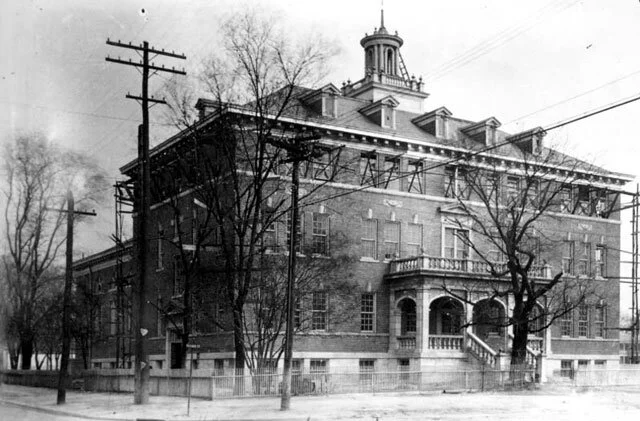
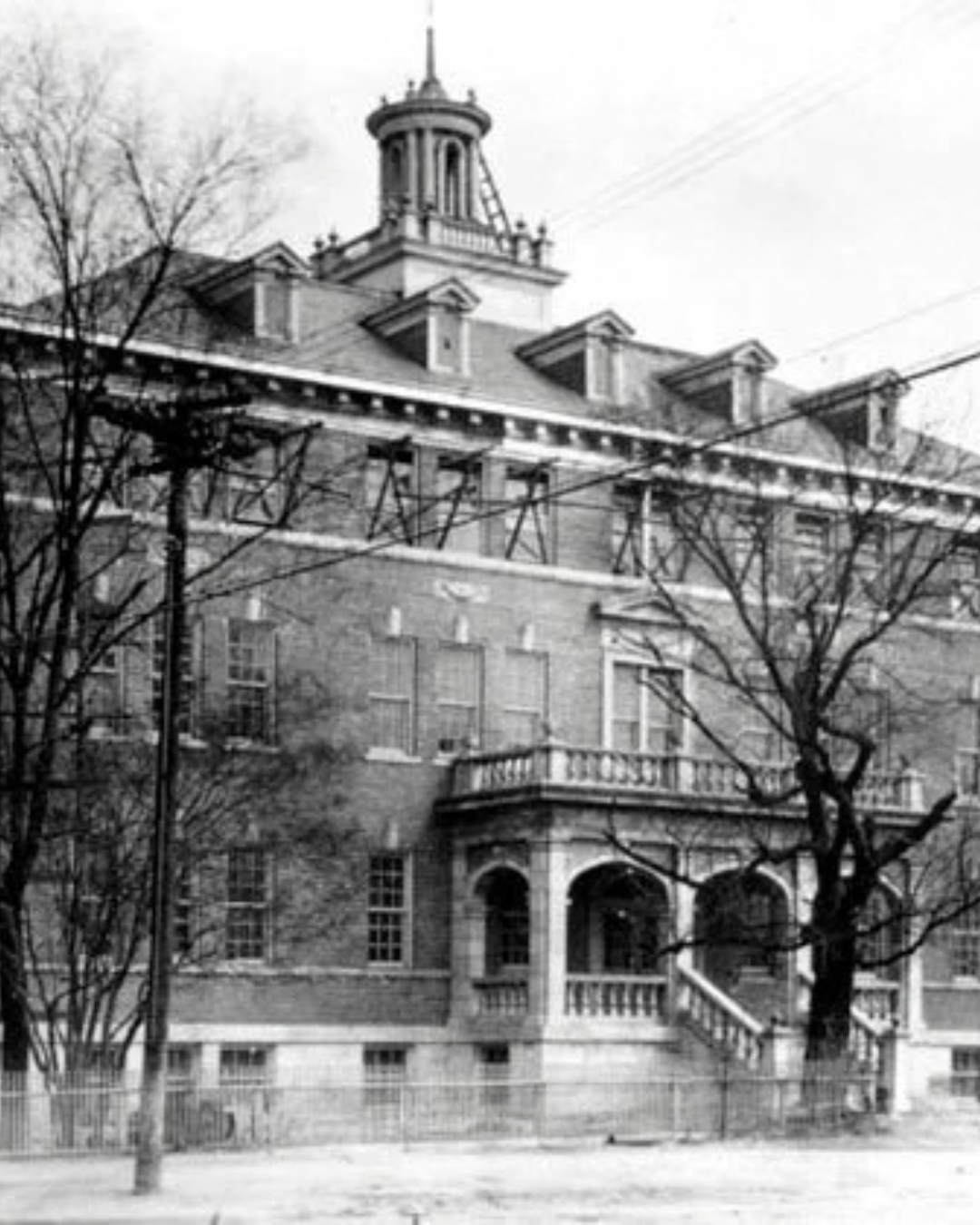
Historic photograph of Allen University
  1. July 29, 1870

    A school is born

    Founded by the African Methodist Episcopal Church in South Carolina under the leadership of Bishop John M. Brown. Led by Reverend Simon Miller, the church purchases 150 acres in Cokesbury, SC, and names the school Payne Institute in honor of Bishop Daniel A. Payne.

  2. 1870s

    Educating clergy through Reconstruction

    For its first decade, the school works to develop an educated clergy in the face of repression and violent opposition during the Reconstruction Era.

  3. 1880

    A new home and a new name

    Delegates to the Annual Conference in Spartanburg, with Bishop William F. Dickerson presiding, vote to move the school to Columbia. It is renamed Allen University in honor of Bishop Richard Allen, founder of the AME Church, and receives its state charter on December 24, 1880.

  4. 1881

    Opening in Columbia

    Allen opens in Columbia on property purchased for $6,000.

  5. 1888

    The first building on Harden Street

    The first university building on the present site is in use. Within nine years of its charter, Allen graduates 75 students from its college, law, and normal departments, and it is home to one of the few Black law schools in the South before 1900.

  6. 1891

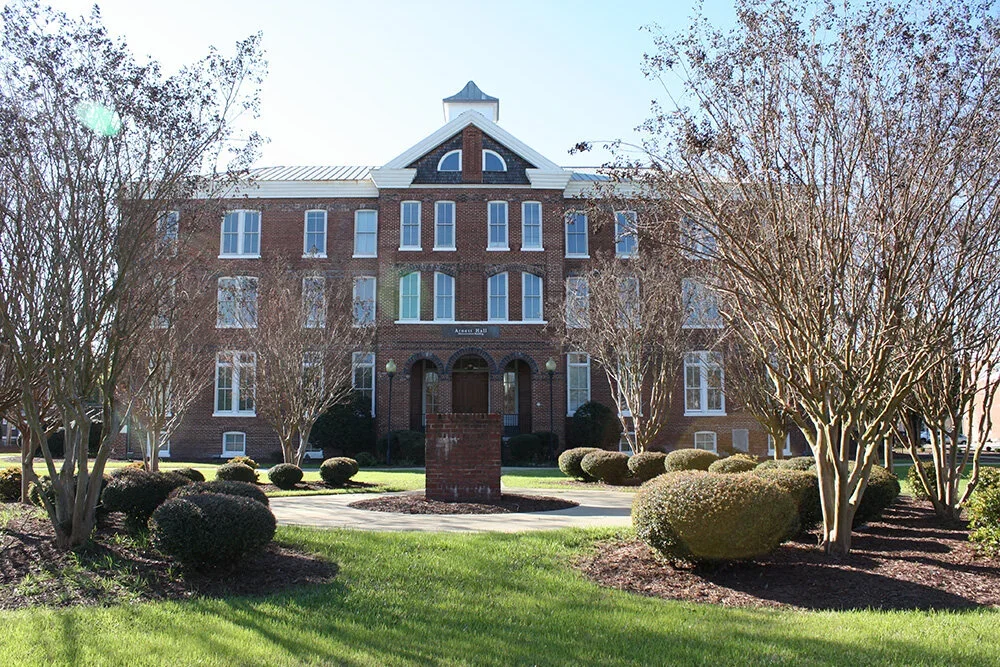
    Arnett Hall

    The cornerstone is laid for the Ladies Industrial Hall, later named Arnett Hall for trustee board president Rev. Benjamin W. Arnett. It is the oldest remaining building on campus.

  7. 1907

    Coppin Hall

    Coppin Hall is completed, joining Arnett Hall on the growing campus.

  8. 1910

    A pioneering physician

    Former Allen student Melissa Evelyn Thompson Coppin earns her medical degree from the Women’s Medical College in Philadelphia and goes on to practice in Baltimore and Philadelphia.

  9. 1920s–1933

    Focusing on higher education

    The grammar school closes in the mid-1920s, followed by the high school in 1933. Under President David Henry Sims, Allen launches a faculty exchange and joint summer school with neighboring Benedict College.

+ Continue the timeline (1925–2024)− Show less
  1. 1925

    A landmark rises

    The Chappelle Administration Building, designed by architect John Anderson Lankford and named for former president Bishop William David Chappelle, is completed. It is now a National Historic Landmark.

  2. 1941

    Flipper Library

    The Joseph Simon Flipper Library is built, completing the historic campus green.

  3. 1940s

    Welcoming veterans home

    Veterans returning from World War II enroll at Allen. Departments of Humanities, Philosophy, Psychology, and Religion are added in 1945, and the campus expands through the decade.

  4. 1960

    Students lead the movement

    On March 2, about 50 Allen and Benedict students stage Columbia’s first sit-ins at the Woolworth and Kress lunch counters, part of Allen’s role as a center of civil rights activity from the 1930s through the 1960s.

  5. 1970

    A century of service

    Allen celebrates its Centennial and rededicates itself to the principles upon which it was founded.

  6. 1975

    A nationally recognized campus

    On April 14, 1975, the Allen University Historic District is listed on the National Register of Historic Places.

  7. 1980s–1990s

    Growth and accreditation

    Allen revises its curricula in the 1980s and pursues regional accreditation. The 1990s bring growth and development, accreditation by the Southern Association of Colleges and Schools Commission on Colleges, and the construction of the John Hurst Adams Gymnatorium.

  8. Early 2000s

    Restoring a historic campus

    Arnett Hall is rehabilitated in 2001, the Williams Residence Halls are built, and Chappelle Auditorium and Gallery are restored and renovated.

  9. 2012

    Marked in state history

    The South Carolina Department of Archives and History erects an official historical marker on the Allen campus.

  10. 2016

    A new era of growth

    Bishop Samuel L. Green, Sr. brings new governance that fuels dramatic change. Under 30th President Dr. Ernest McNealey, the campus is transformed, NCAA athletics return, Reid and Higgins Halls are renovated, the historic Waverly Hospital is renovated and expanded, and the Boeing Institute on Civility is launched.

  11. 2018

    First graduate degree

    Allen begins offering its first graduate program, the Master of Divinity, through the newly formed Dickerson-Green Theological Seminary.

  12. 2021

    National recognition for the Seminary

    Three years after its founding, the Seminary attains associate membership in the Association of Theological Schools.

  13. 2023

    First doctoral degree

    Allen begins offering its first doctoral program, the Doctor of Ministry.

  14. 2024

    Seminary accreditation

    Dickerson-Green Theological Seminary earns full accreditation from the Association of Theological Schools.

Allen & the Civil Rights Movement

Where courage met conviction.

The South Carolina Department of Archives and History recognizes Allen as a significant center for civil rights activity in Columbia from the 1930s through the 1960s.

  • March 2, 1960

    Columbia’s first sit-ins

    About 50 Allen and Benedict students sit in at the Woolworth and S.H. Kress lunch counters, launching the student movement in South Carolina’s capital.

  • Alumnus

    Rev. J. A. DeLaine

    Allen-educated minister and teacher who organized the Clarendon County parents behind Briggs v. Elliott, one of the five cases decided in Brown v. Board of Education.

The Names Behind Allen

Leaders who shaped our legacy.

  • Our namesake

    Bishop Richard Allen

    Founder of the African Methodist Episcopal Church. Payne Institute was renamed Allen University in his honor in 1880.

  • Our first name

    Bishop Daniel A. Payne

    Born free in Charleston in 1811, he became the sixth bishop of the AME Church and, in 1863, the first African American to lead a U.S. college, Wilberforce University. The school’s original name, Payne Institute, honors him.

  • Our founding

    Bishop John M. Brown

    Led the AME Church in South Carolina when Allen was founded on July 29, 1870, with Reverend Simon Miller leading the purchase of its first land.

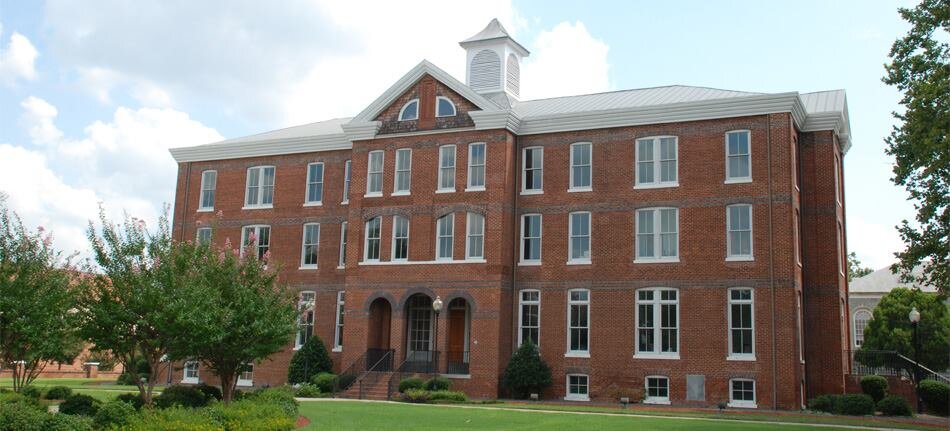
Historic buildings on the Allen University campus

Our Historic Campus

Where history is part of everyday life.

The heart of our campus is made up of buildings listed on the National Register of Historic Places, giving Allen one of the most distinctive settings in Columbia.

  • Chappelle Administration Building, a National Historic Landmark
  • The Carver Theater, part of Allen’s historic facilities
  • Good Samaritan-Waverly Hospital, a historic Columbia landmark
  • Coppin Hall, the focus of our HBCU preservation project

Become all that can be imagined.

For more than 150 years, Allen has educated men and women to become productive leaders and citizens in an ever-changing world. Come see why generations of students have found their purpose on Harden Street.